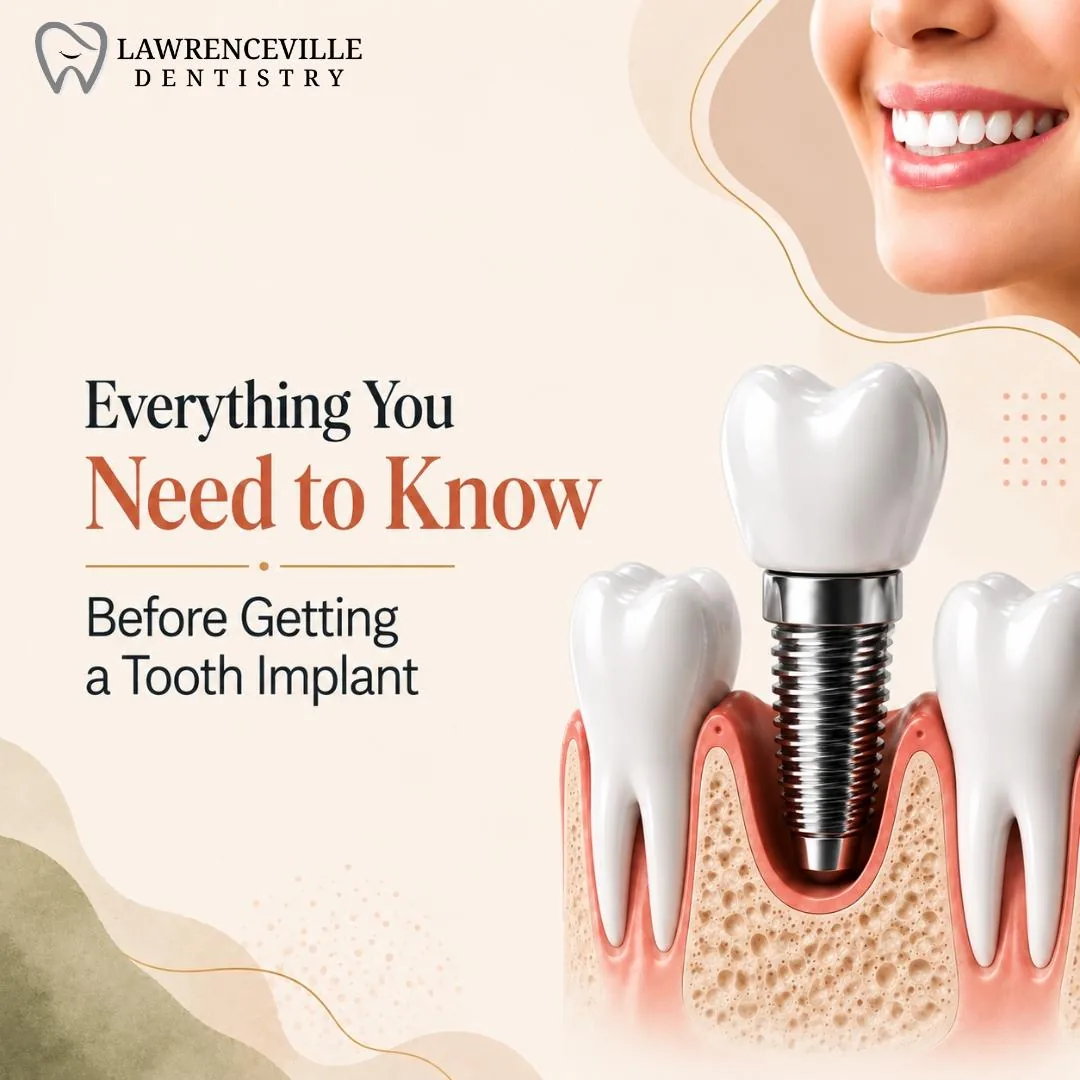
Many people worry after losing a tooth. They fear pain, trouble eating, and a changed smile. A dental implant can fix those problems. It replaces the tooth with a metal post that bonds to the jaw.
Here you will know about oral surgery, bone grafting, implant procedure, recovery, postoperative care, and implant maintenance. Also you can find more about oral hygiene and periodontal health.
Before choosing a tooth implant, patients need to think about their overall health and candidacy. They should also consider the risks involved and how much the procedure will cost.
Candidacy for tooth implants primarily depends on a person's overall dental health. Healthy gums and sufficient bone density support the metal posts that hold the implant in place.
Patients should not have active gum disease or untreated cavities before proceeding with oral surgery. Those who smoke or have chronic diseases like diabetes may face more risks during implantation.
Dental professionals assess each individual's case to ensure safety and success, focusing on treatment goals. A thorough evaluation includes an examination of medical history and current oral hygiene practices. Proper planning improves outcomes and supports long-term dental health, ensuring successful restoration of one's smile.
The procedure does come with risks and potential complications. Infection can occur at the implant site. This could lead to gum disease or even implant failure. Some patients experience nerve damage, which may cause pain or numbness in the surrounding areas.
Issues with bone grafting also arise if the jawbone lacks sufficient density. Failure of metal posts during healing can undermine treatment goals.
Costs and insurance coverage play a role too; unexpected expenses may add stress for patients. Oral health remains critical during this process since existing dental issues can complicate recovery.
Patients should practice good oral hygiene after surgery to minimize risks. Regular dental checkups with an oral surgeon are essential for maintaining periodontal health and ensuring successful outcomes from tooth replacement efforts.
Tooth implants can be costly. The average price for one dental implant ranges from $3,000 to $4,500. This cost often includes the implant procedure and initial follow-up care. Many insurance plans cover part of these expenses, but coverage varies by provider. Patients should check their policy details before proceeding.
Planning is crucial before getting a tooth replacement. An oral surgeon may recommend preparatory treatments like bone grafting if a patient lacks sufficient jawbone density. Patients must understand their financial responsibility and discuss payment options with their dentist or oral surgeon. Thorough preparation helps ensure smooth surgery and recovery processes ahead.
The tooth implant process begins with a thorough evaluation. Patients may undergo bone grafting if their jaw lacks sufficient density for the implant.
Before a person gets a tooth implant, they must complete several preparatory steps. An oral surgeon often conducts a thorough examination to assess bone density and overall dental health.
If the jawbone lacks sufficient strength, they may recommend bone grafting. This procedure adds material to the jawbone, promoting stability for the metal posts used in the implant.
Patients should also discuss their medical history with their dentist. Certain conditions like gum disease or diabetes can affect healing and recovery from oral surgery. Proper planning ensures that individuals receive optimal care throughout this process. Clear communication between patients and dentists supports successful outcomes for tooth replacement efforts.
After completing preparatory steps, patients move on to the surgical procedure. An oral surgeon places a dental implant during this phase. They insert metal posts into the jawbone where missing teeth once were. This process usually takes about one to two hours for each implant.
Following surgery, recovery begins. Patients may experience mild discomfort and swelling for a few days after the procedure. Most people can return to their normal activities within a week or so, but full healing may take several months.
During this time, proper oral hygiene plays an important role in maintaining gum health around the implants. Regular check-ups ensure that everything is progressing well and that treatment goals are being met effectively.
After surgery, patients must follow specific care instructions to promote healing. Proper oral hygiene plays a vital role in maintaining the health of the implant. Patients should brush gently around the new dental implant and floss daily. Regular check-ups with an oral surgeon ensure that everything stays on track.
Long-term results depend on various factors, including bone quality and personal habits. Good periodontal health supports successful tooth replacement outcomes. Maintaining regular dental visits helps monitor gum tissue condition and overall dental health as well. With diligent care, most implants can last for many years, offering a functional solution that restores smiles effectively.
A dental implant replaces a lost tooth. A metal post goes into the jaw. The post is biocompatible and bonds with bone. A crown is attached to the post. This restores function and gives smile restoration. Implant dentistry uses this method for tooth replacement.
A dentist trained in implant dentistry plans the work. An oral surgeon, a dental surgeon, may do the oral surgery. They can do tooth extraction and place the implant. They check your dental health first.
The healing process takes weeks to months. The bone must grow around the metal post. Sometimes bone grafting, or bone repair, is needed. Care of gum tissue and good periodontal health helps healing. Follow postoperative care for a smooth recovery.
Keep strong oral hygiene every day. Brush and floss around the implant. Use regular oral care and visit your dentist. Good care prevents gum disease. Ask about implant maintenance at check ups.
Gum disease and poor periodontal health raise risk. Infection can harm the implant. Metal posts are biocompatible, but problems can still occur. Talk about your risks with your dental team before surgery.
Your dentist will match treatment goals to your dental health. The implant procedure can aid smile restoration and chewing. Costs vary with bone grafting, surgery, and recovery needs. Plan with your dental team and set clear treatment goals.
Tell us a little about what you need — we'll be in touch shortly.
1455 Pleasant Hill Rd Ste 807A, Lawrenceville, GA 30044, USA

Hi! I'm Tooth fairy! Your AI Assistant Ask me anything