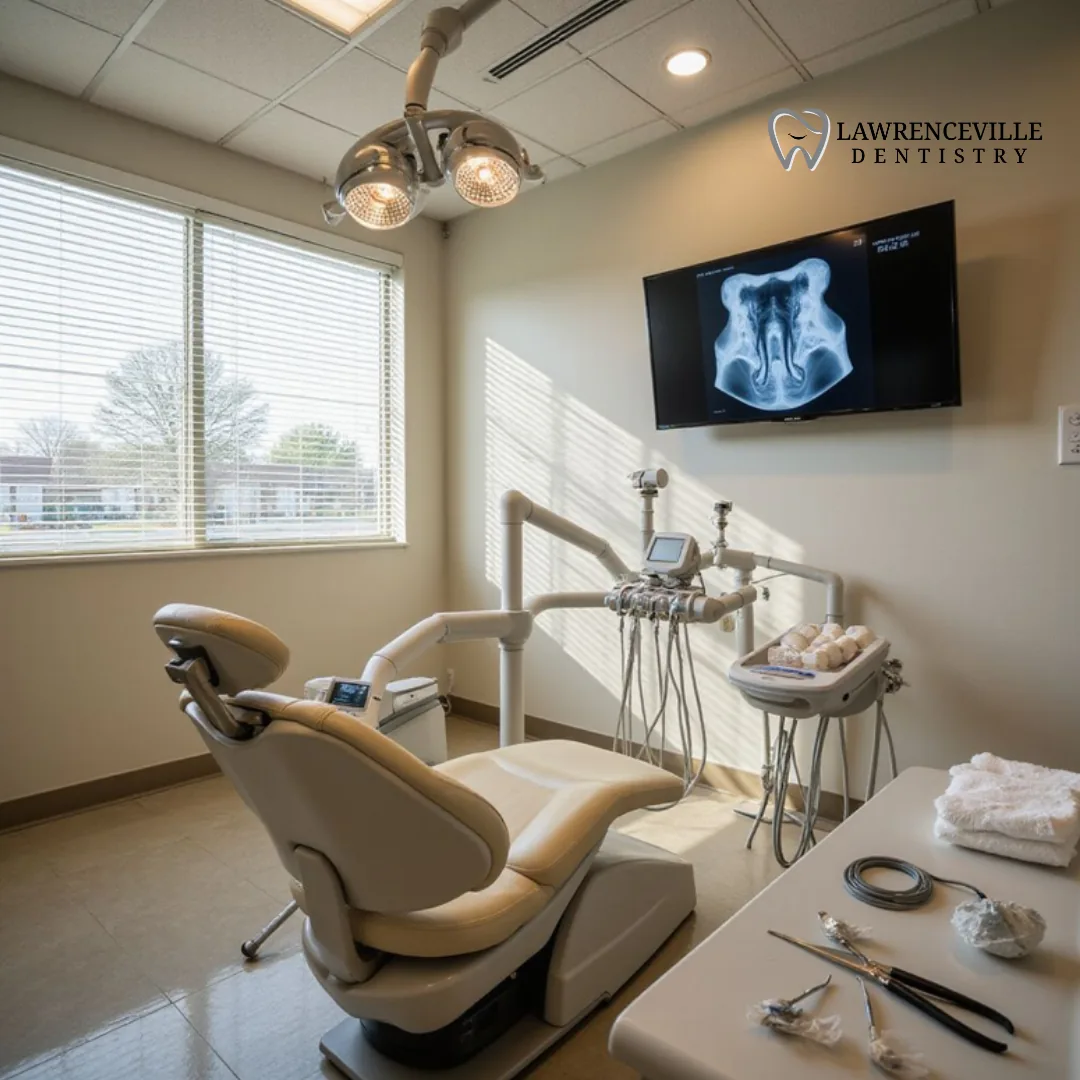
Many people feel sharp tooth pain and fear a tooth extraction. They wonder if a root canal will hurt more than the problem. They worry about anesthesia, infection, and the dental visit. They want clear facts and simple steps for dental treatment and pain management.
A root canal removes infected tooth pulp and helps save the tooth. Dentists use X-ray images, a dental dam, and careful sealing to protect the tooth. Here you will know the step-by-step view of root canal therapy, what patients may feel during and after treatment, and tips for a smooth recovery with pain relief and proper care from a dental hygienist.
A root canal procedure involves several key steps to treat infected tooth pulp. First, the dentist takes an X-ray to assess the tooth and roots. Next, they place a dental dam around the affected tooth for better visibility and cleanliness. The dentist then administers anesthesia to numb the area before drilling into the tooth.
Once inside, they remove the damaged pulp and clean out any infection. They carefully seal the cleaned space with a filling material. After this step, many patients may need a crown to restore function and protect their tooth from future damage. This process can help maintain overall oral health while avoiding painful issues like extraction or further infection.
During a root canal procedure, the dental team uses anesthesia to numb the area around the tooth. Patients may feel some pressure but should not experience significant pain. The dentist removes infected tooth pulp and cleans the canals thoroughly. They often use a dental dam to keep the area dry throughout treatment.
Afterwards, patients might notice some discomfort or mild pain as they heal. Pain relief options are available if needed. Recovery time can vary; many people return to normal activities within a day or two. A temporary crown usually protects the tooth until permanent restoration occurs later on. Regular follow-ups help ensure proper healing and monitor any signs of infection after root canal therapy.
After a root canal procedure, patients should prioritize rest. Taking it easy helps the body heal. Ice packs can reduce swelling and manage any discomfort. Most dentists recommend over-the-counter pain relief for effective pain management.
Eating soft foods during recovery supports oral health. Avoid hot or hard items that may irritate sensitive teeth. Following the dentist's instructions ensures proper healing. Keeping up with follow-up appointments is important too; an x-ray might check for infection or sealing issues in the treated tooth pulp. A dental crown often follows to restore function and strength after root canal therapy, protecting against future problems.
Root canal therapy is a dental treatment in endodontics. The dentist will take an Xray first. They will numb the tooth with anesthesia. They will place a dental dam to keep the area dry. They remove infected tooth pulp, clean the canals, and do sealing. You may get a tooth crown after the procedure.
Yes, anesthesia blocks pain during the root canal procedure. You may feel pressure, but not sharp pain. The dentist gives pain management steps for after care. Follow instructions for pain relief.
They remove the infection from the tooth pulp. They clean and shape the canals in endodontics care. They use Xray images to guide the work. Sealing stops bacteria from returning and eases tooth pain.
Most patients need a tooth crown after sealing. The tooth crown restores strength and function. If the tooth is too damaged, the dentist may choose tooth extraction. Both are common dental treatment options.
The team uses Xray and anesthesia at the start. They use a dental dam to isolate the tooth. They remove tooth pulp, clean canals, and do sealing. Endodontics tools guide the work. A crown often finishes the care.
Tell us a little about what you need — we'll be in touch shortly.
1455 Pleasant Hill Rd Ste 807A, Lawrenceville, GA 30044, USA

Hi! I'm Tooth fairy! Your AI Assistant Ask me anything