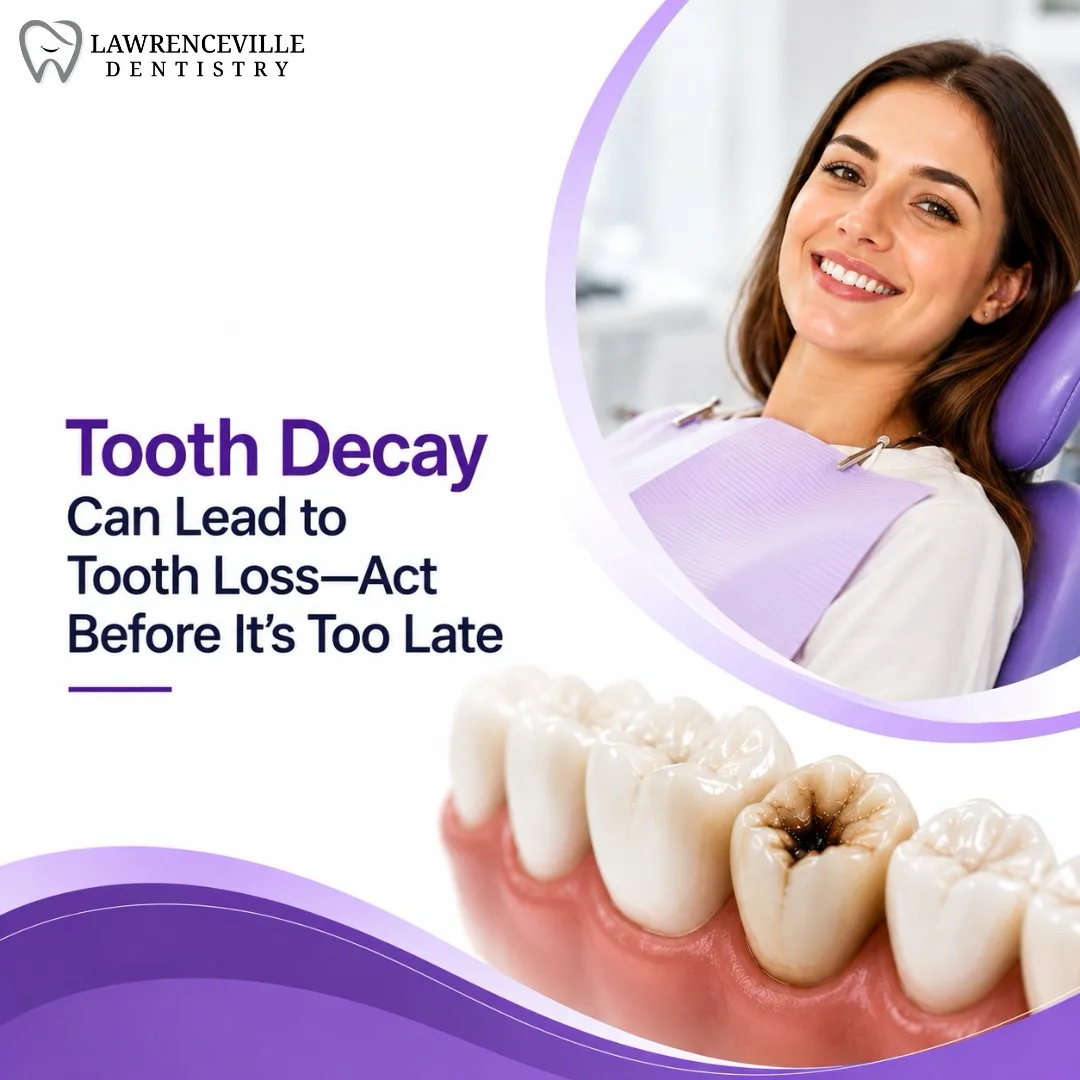
Many people feel a sharp toothache or worry about loose teeth. They fear tooth loss and costly restoration work. Tooth decay can start small and grow fast. It often hides behind plaque and missed dental checkups.
Untreated decay can cause pain, infection, and tooth loss. Here you will learn how cavities and gum disease lead to that damage. You will also find oral hygiene steps, diet tips, and when to seek treatment such as fillings, root canal, or extraction.
Tooth decay starts when plaque builds up on teeth. If left untreated, the decay travels deeper and can end in tooth loss.
Tooth decay begins with the buildup of plaque. This sticky film contains bacteria that produce acids, which attack tooth enamel. Poor oral hygiene habits let that plaque form and stay.
The stages progress over time. First, small openings appear in the enamel. As decay advances, it reaches the deeper layers of the tooth. Untreated decay destroys large portions of the tooth and leads to fractures or infection. Eventually the tooth may be lost if nothing is done. Researchers are even working on a vaccine against the bacteria behind cavities, but prevention today still comes down to plaque control.
Tooth decay shows distinct warning signs. You may feel sensitivity, especially with hot or cold food and drinks. Dark spots or holes on a tooth can mean a cavity is forming beneath the surface. Bad breath may linger despite brushing. Pain from untreated decay can build into an unbearable toothache if ignored.
Gum disease brings its own symptoms, such as swollen gums that bleed easily during brushing or flossing. As plaque builds, teeth can feel loose because the structures holding them are weakening. Acting quickly on these changes is what preserves the tooth.
Untreated tooth decay leads to severe pain and serious infection. Over time it destroys enough of the tooth to cause fractures and instability. Eventually, untreated cavities can leave teeth loose or gone altogether.
Gum disease often accompanies untreated decay, and together they weaken dental health considerably. The longer a cavity is ignored, the fewer treatment options remain and the more involved the restoration becomes. Timely care avoids that.
Brushing twice a day removes the plaque that causes cavities and gum disease. Flossing daily cleans the surfaces a brush cannot reach. Fluoride toothpaste strengthens enamel against acid attack, and an antibacterial rinse limits bacterial buildup. These simple steps can stop or even reverse early-stage decay before it becomes painful.
Cutting back on sugary snacks and drinks lowers cavity risk directly, because sugar feeds the bacteria in your mouth. More fruits, vegetables, and whole grains support teeth and gums, and calcium-rich foods such as dairy help keep enamel strong.
Staying hydrated helps too. Water washes away food particles and reduces plaque buildup, and sugar-free gum increases saliva flow, which further protects against decay.
Regular exams and cleanings let a dentist spot decay early and act before it worsens. Caught early, a cavity is a simple filling. Left alone, the same tooth may need a crown or root canal treatment, and sometimes extraction. If a tooth is lost, replacing it promptly prevents the neighboring teeth from shifting and creating new problems.
Tooth decay can lead to tooth loss. Untreated decay widens the cavity and lets plaque bacteria cause infection and gum disease.
Plaque builds at the gum line and feeds harmful bacteria. That causes periodontal disease and weakens the tissue holding teeth in place, raising the risk of extraction and tooth loss.
Keep good oral hygiene every day and see your dentist for regular preventive care. Early care finds cavities while a simple restoration still saves the tooth.
Dentists place fillings and crowns to repair damaged teeth. They may perform root canal treatment to remove infection, or extract the tooth when it cannot be saved.
Call your dentist if you feel pain or swelling, or notice a cavity or signs of infection. Keep up with regular visits so decay is treated before a tooth is lost.
Sensitive tooth, dark spot, or sore gums? Book a checkup in Lawrenceville and treat the decay while it is still small — call 770-415-0077.
Ignored tooth decay keeps spreading. It starts as a small opening in the enamel, works into the softer layers underneath, and eventually reaches the nerve. Along the way it causes pain, infection, and fractures, and a tooth that loses enough structure becomes loose or has to be removed. Decay does not stop on its own once it breaks through the enamel.
Plaque collects at the gum line as well as on the tooth surface, and the bacteria in it inflame the gums. Over time that inflammation becomes periodontal disease, which breaks down the ligament and bone holding the tooth in place. Decay weakens the tooth from the inside while gum disease weakens its foundation, and together they are the most common reason adults lose teeth.
Brush twice a day with fluoride toothpaste, floss daily to clean the surfaces a brush cannot reach, cut back on sugary snacks and drinks, and keep regular checkups. Early decay caught at a checkup can often be arrested or fixed with a simple filling, while the same cavity found a year later may need a crown or a root canal.
Small to moderate cavities are repaired with fillings. Larger ones that have lost significant structure usually need a crown or an inlay. If the decay has reached the nerve, root canal treatment removes the infection and saves the tooth. Extraction is the last resort, used only when the tooth cannot be restored, and the space is then replaced with an implant, bridge, or partial denture.
Call as soon as you notice sensitivity to hot or cold, a dark spot or hole in a tooth, pain when biting, gums that bleed easily, or any swelling. Swelling, fever, or pain that keeps you awake should be seen the same day. Even with no symptoms, a checkup every six months catches decay while it is still small and inexpensive to treat.
Tell us a little about what you need — we'll be in touch shortly.
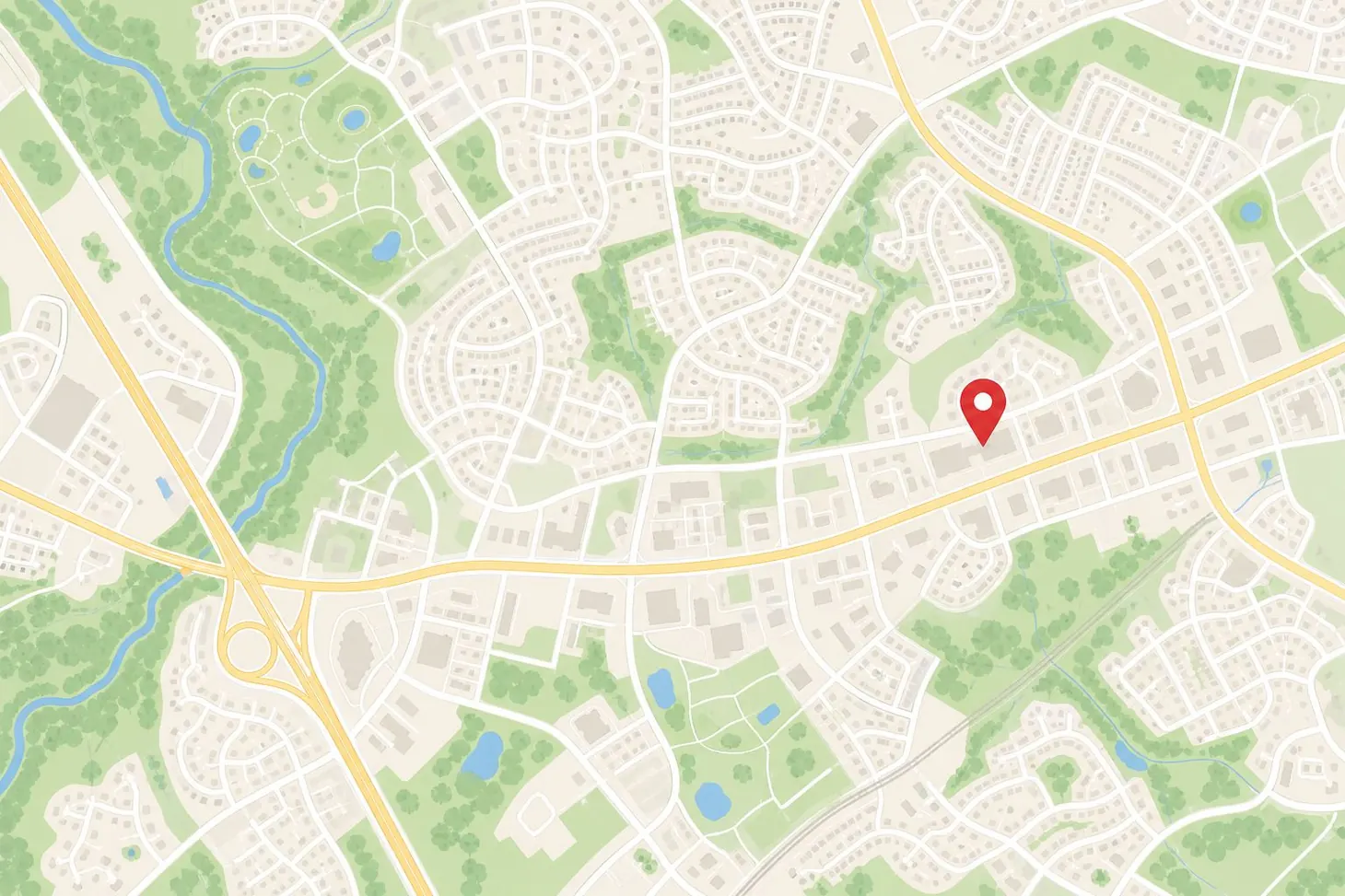
1455 Pleasant Hill Rd Ste 807A, Lawrenceville, GA 30044, USA
Hi! I'm Tooth fairy! Your AI Assistant Ask me anything