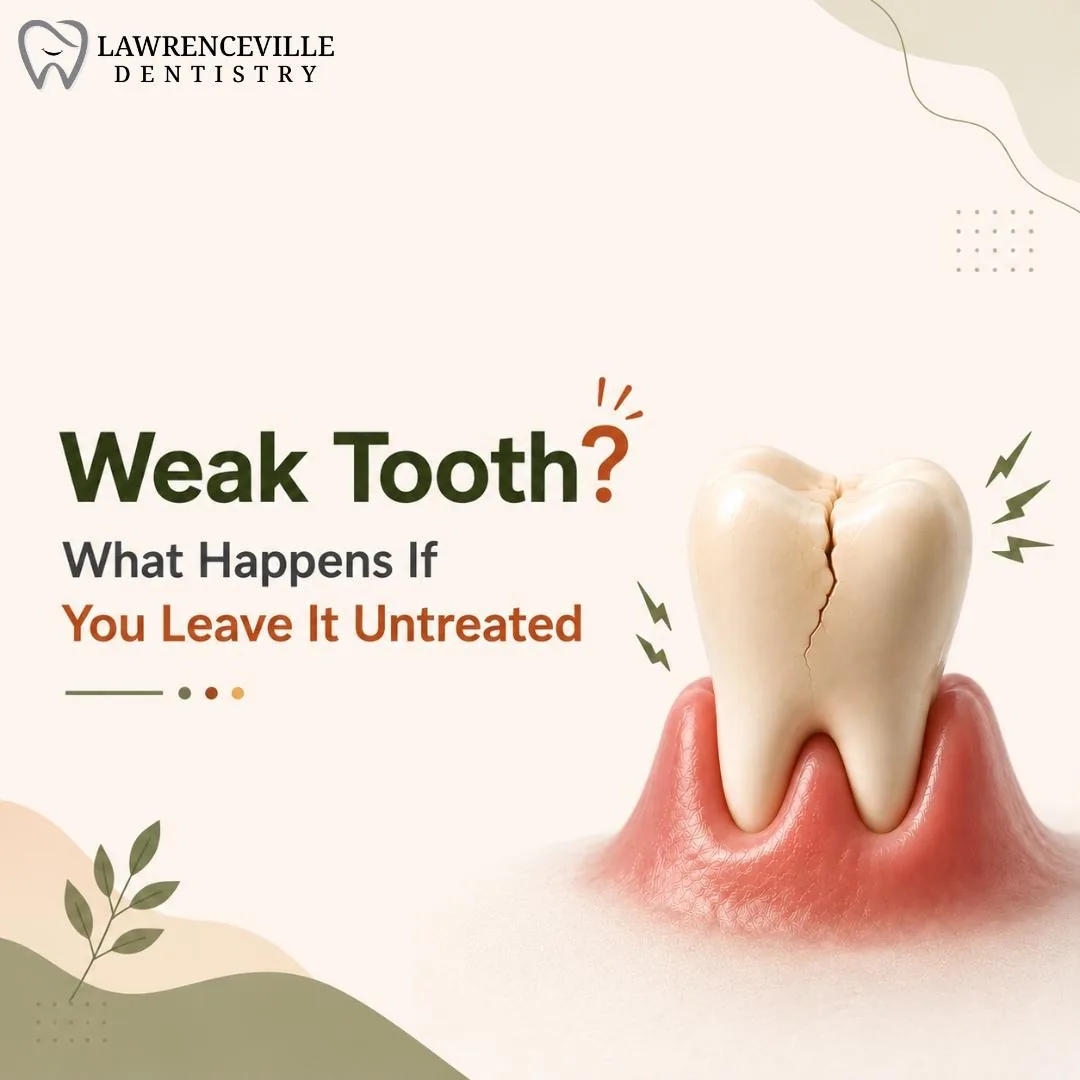
Many people feel a sharp twinge or notice a chip and wonder if it will get worse. A weak tooth can cause worry about cavities, tooth decay, or the need for tooth extraction.
Left untreated, tooth erosion will keep wearing down the tooth structure and enamel. Untreated cavities can deepen, cause infection, and lead to swelling, loose teeth, or tooth loss.
Here you will know about the signs to watch for, treatment options like fillings, crowns, root canal, or extraction, and simple steps for home care and pain management.
A weak tooth can lead to serious problems if left untreated. Individuals may face a higher risk of fractures, pain, and infections that can spread to nearby teeth and gums.
Leaving a weak tooth untreated raises the risk of fracture or loss. Untreated cavities grow wider and deeper over time, making teeth brittle. As decay progresses, it can weaken the surrounding structure. Small chips in teeth may also lead to severe pain or further infection.
Ignoring tooth decay often results in serious issues like tooth abscess formation. This infection can make treatment more complicated and painful. Eventually, neglecting dental problems increases the chance of losing a tooth entirely.
Addressing these concerns early protects one's overall dental health and prevents complications down the road.
The risk of pain, sensitivity, and infection increases when a weak tooth remains untreated. Tooth decay often starts small but grows deeper over time. Once the enamel weakens, decay can penetrate the inner layers of the tooth.
This exposure leads to severe pain and heightened sensitivity to hot or cold substances. Untreated cavities can also result in tooth abscess formation. An abscess is a serious infection that requires immediate dental treatment.
Swelling from untreated decay can worsen, causing discomfort and leading to loose teeth. Ignoring these issues may escalate into more complex problems like gum disease or systemic health risks beyond oral health complications. A weak tooth not only causes physical pain but also affects overall well-being if left unresolved.
Pain, sensitivity, and infection can signal more serious issues. A weak tooth can allow decay to spread to surrounding teeth and gums. Untreated cavities grow deeper and wider over time.
This expansion increases the risk of further damage. Decay may affect nearby healthy teeth, causing them to weaken as well.
Gums also suffer from untreated cavities. Signs like swelling may appear, indicating that infection is present. As tooth decay progresses, severe pain often affects overall health too.
Ignoring these problems only makes things worse for dental hygiene and wellbeing alike. A cavity left unchecked can lead directly to serious infections or even tooth loss down the line.
Ignoring tooth decay can lead to serious complications. Decay progression often starts small but quickly becomes a major issue if untreated. A weak tooth may develop into an abscess, causing severe infection and pain. This situation requires more complex dental procedures than a simple filling.
As cavities get wider and deeper, treatment options may become limited. In some cases, patients might need root canals or even extractions instead of just fillings or crowns. Untreated issues like these not only affect oral health but can also result in systemic health problems later on.
Addressing decay early helps avoid complicated treatments down the line for a weak tooth before it escalates further.
To address a weak tooth and prevent further damage, individuals should seek prompt dental treatment to find the best solutions for their needs. They can explore options like fluoride treatments or fillings at the dentist's office.
At home, improving oral hygiene and making dietary changes can help maintain healthy teeth.
Timely dental treatment is crucial for a weak tooth. Left untreated, tooth erosion steadily damages the underlying layers of teeth. Untreated cavities often start small but can escalate into serious dental issues if ignored. These problems may cause severe pain or infection that affects overall health. Seeking help from a dentist can prevent further complications.
Dentists offer professional options like fluoride treatments, fillings, and crowns to address weak teeth. They recommend nightguards as well, especially for those who grind their teeth at night.
Ignoring tooth decay allows it to spread and worsen over time, which makes teeth brittle and more likely to crack or break. Swift action helps individuals maintain better oral hygiene and avoid complex procedures later on.
Fluoride treatments help strengthen weak teeth. Dentists apply fluoride to prevent further decay and improve oral health. Fillings stop cavities from worsening. They fill in the holes created by tooth decay, which can grow wider and deeper over time.
Crowns cover damaged teeth fully, offering protection against fractures and infections.
Nightguards protect teeth from grinding during sleep. This treatment helps maintain overall dental integrity. Choosing these options can address issues early on and prevent painful consequences later, such as severe pain or tooth loss from untreated decay.
At-home care plays a vital role in managing weak teeth. Improved oral hygiene helps keep decay at bay. Brushing twice a day with fluoride toothpaste strengthens tooth enamel. Flossing daily removes food particles and plaque between teeth. These habits can slow down the progression of tooth erosion.
Diet changes also impact dental health. Limiting sugary snacks and drinks reduces the risk of cavities. Eating crunchy fruits and vegetables supports healthy gums and teeth. Protective measures, like mouthguards during sports, help prevent injury to weakened teeth.
A proactive approach is essential when dealing with weak tooth issues; ignoring them increases the chance of serious problems down the line.
A weak tooth can break down more. Bacteria can reach the inner pulp and cause pain, a painful swelling, and bone loss. You could lose the tooth.
You may feel sharp pain when you bite. The tooth may darken or feel loose. You may notice a bad taste or a swollen cheek from infection.
Infection can spread to the jaw and to nearby tissue. It can make you sick and raise the chance of other health problems. Quick care lowers these risks.
See a dentist right away. They can try to save the tooth, remove it, or do a procedure to remove the infection. Early action stops pain and saves more of your teeth.
Tell us a little about what you need — we'll be in touch shortly.
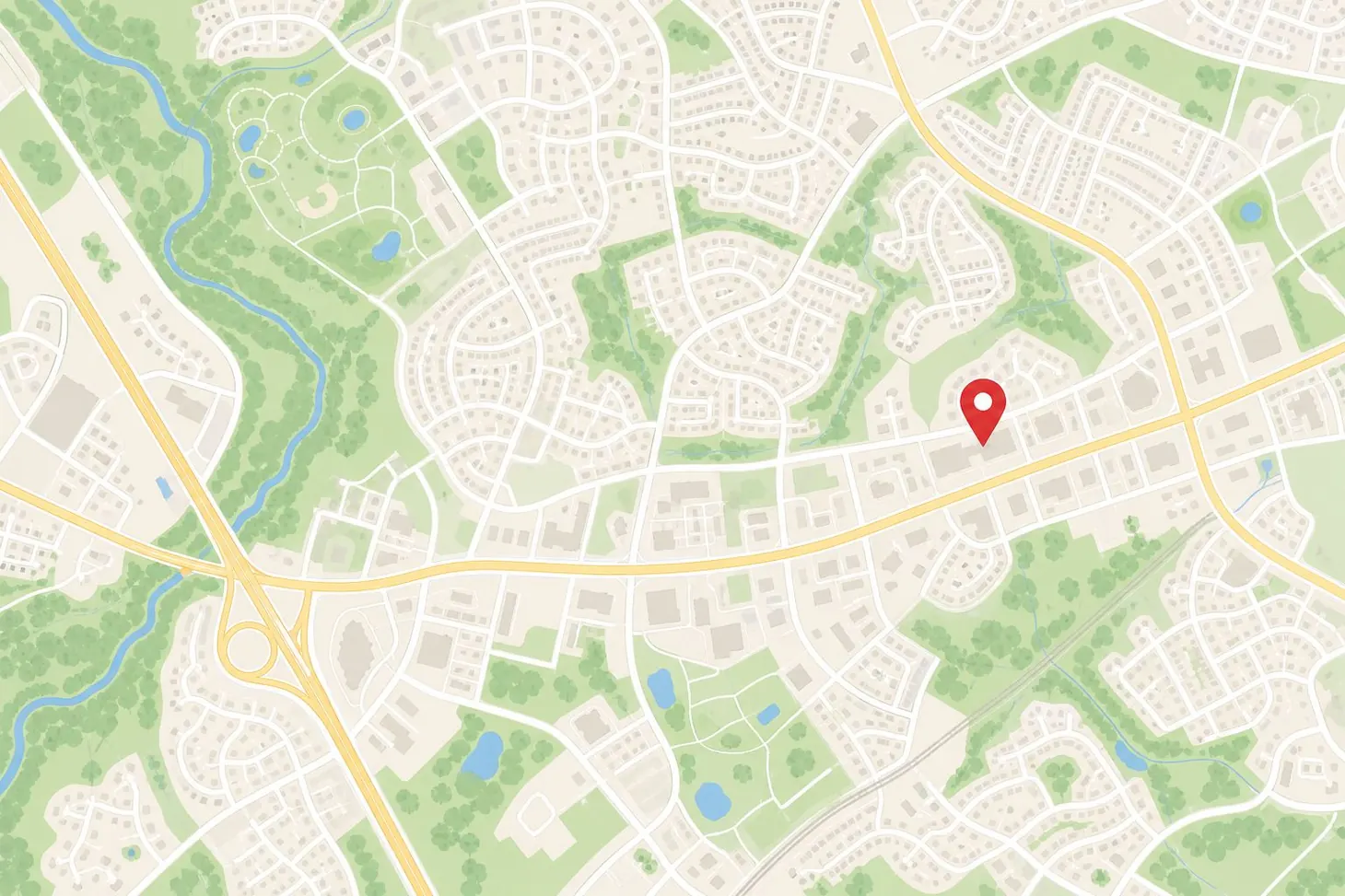
1455 Pleasant Hill Rd Ste 807A, Lawrenceville, GA 30044, USA
Hi! I'm Tooth fairy! Your AI Assistant Ask me anything